
When you take out a loan, you might expect the balance to decrease as you make payments. However, several factors can cause your loan balance to increase over time instead of decrease. Understanding these factors is crucial for managing your finances effectively and avoiding unexpected debt growth.
Interest Accrual
The most common factor that increases your loan balance is interest. When you borrow money, lenders charge interest as compensation for lending you funds and taking on the risk that you might not repay.
Compound Interest
With compound interest, you pay interest not only on the principal amount but also on previously accumulated interest. This can cause your loan balance to grow exponentially if payments aren’t sufficient to cover the interest charges.
Capitalized Interest
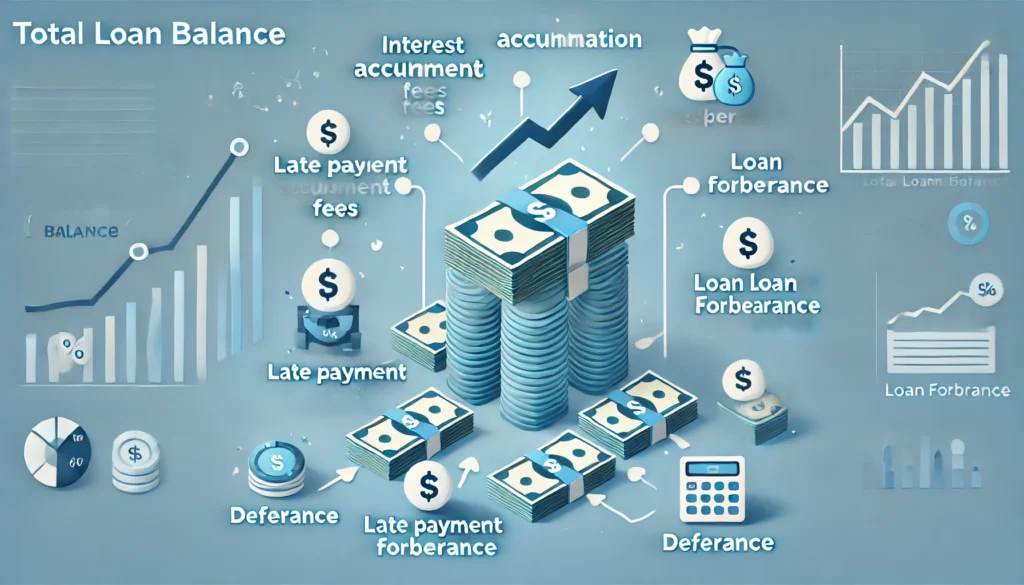
For certain loans, particularly student loans, interest may capitalize during periods of deferment or forbearance. This means the unpaid interest gets added to your principal balance, increasing the total amount you owe and causing you to pay interest on interest.
Minimum Payments Below Interest Charges
If your monthly payment is less than the amount of interest accruing each month, your loan balance will increase even though you’re making payments. This negative amortization occurs commonly with:
- Income-driven repayment plans for student loans
- Interest-only periods on mortgages
- Minimum payments on credit cards
Deferment and Forbearance
While these options provide temporary relief from making payments, they can significantly increase your loan balance, especially if interest continues to accrue during these periods.
For unsubsidized student loans, interest accumulates during deferment and gets added to your principal balance once the deferment period ends. Similarly, during forbearance, interest continues to accrue and may be capitalized.
Late Payment Fees and Penalties
Missing payments or paying late often results in fees that get added to your loan balance. These charges can range from $25 to $50 or more per late payment, quickly adding up over time.
Variable Interest Rates
Loans with variable interest rates can see increases in the interest charged if market rates rise. As rates increase, more of your payment goes toward interest rather than principal, potentially causing your balance to grow if payments aren’t adjusted accordingly.
Additional Borrowing on Revolving Credit
With revolving credit accounts like credit cards or lines of credit, making new purchases increases your balance. If you only make minimum payments while continuing to use the credit line, your balance will continue to grow.
Home Equity Lines of Credit (HELOCs)
Many HELOCs have an initial draw period where you only need to make interest payments. Once this period ends and the repayment phase begins, your payment amount increases substantially to cover both principal and interest.
Loan Modifications or Refinancing
While these options can lower your monthly payment, they might extend your loan term or roll fees into the new loan, increasing your total loan balance.
Income-Driven Repayment Plans for Student Loans
These plans set your monthly payment based on your income, which may result in payments that don’t cover accruing interest. While this makes payments more affordable, your loan balance can grow substantially over time.
If you remain on these plans long-term, any remaining balance may be forgiven after 20-25 years, though this forgiven amount could be taxable income.
Negative Equity in Auto Loans
If you trade in a vehicle with negative equity (owing more than the car is worth) and roll that amount into a new auto loan, your starting loan balance for the new vehicle will be higher than its actual value.
How to Prevent Your Loan Balance from Increasing
Pay More Than the Minimum
Making payments that exceed the minimum required amount helps reduce your principal faster and limits interest accrual.
Target High-Interest Debt First
If you have multiple loans, focus extra payments on those with the highest interest rates to minimize overall interest costs.
Avoid Payment Holidays Unless Necessary
While payment holidays might seem helpful during financial difficulties, they often result in increased loan balances due to continued interest accumulation.
Consider Refinancing to Fixed Rates
If you currently have variable-rate loans and interest rates are expected to rise, refinancing to a fixed-rate loan could prevent future balance increases.
Monitor Your Statements Regularly
Review your loan statements monthly to ensure payments are being applied correctly and to watch for unexpected fees or charges.
Set Up Automatic Payments
Automatic payments help you avoid late fees that would otherwise increase your loan balance.
Warning Signs Your Loan Balance Is Growing
- Your balance is higher than when you took out the loan
- You’re making regular payments but see no reduction in principal
- Your monthly statements show more going toward interest than principal
- You’ve been on an income-driven repayment plan for several years
- You’ve used deferment or forbearance options extensively
The Long-Term Impact of Growing Loan Balances
A consistently increasing loan balance can have serious financial consequences, including:
- Extending the time needed to pay off the loan
- Significantly increasing the total amount paid over the life of the loan
- Negatively affecting your debt-to-income ratio, making it harder to qualify for other loans
- Potentially impacting your credit score if your balances approach credit limits
Conclusion
Understanding the factors that increase your total loan balance is essential for effective debt management. By making informed borrowing decisions, choosing appropriate repayment strategies, and staying vigilant about your loan terms, you can avoid the financial strain of unexpectedly growing debt.
If you find your loan balances consistently increasing despite making payments, consider consulting with a financial advisor who can help you develop a more effective debt repayment strategy tailored to your specific situation.
[wpdevart_countdown text_for_day=”” text_for_hour=”” text_for_minut=”” text_for_second=”Seconds” countdown_end_type=”time” end_date=”” start_time=”1740643389″ end_time=”0,,30″ action_end_time=”hide” content_position=”center” top_ditance=”10″ bottom_distance=”10″ countdown_type=”button” font_color=”#000000″ button_bg_color=”#3DA8CC” circle_size=”130″ circle_border=”5″ border_radius=”8″ font_size=”30″ countdown_font_famaly=”monospace” animation_type=””][/wpdevart_countdown]